Each year, one of nature’s most remarkable spectacles unfolds along the east coast of Australia. From May to November, the whale watching season in New South Wales (NSW) draws thousands of nature lovers to coastal towns in search of unforgettable encounters with the ocean’s gentle giants. Whether you’re planning your first whale watching adventure or returning for another look at the annual migration, this guide will help you discover what to expect, when to go, and where to find the best whale watching season experiences—especially around Narooma, Montague Island, and the South Coast of NSW.
When Is Whale Watching Season in NSW?
The NSW whale watching season typically runs from May to November, aligning with the northern migration and southern migration of several whale species. Between June and August, humpback whales and other whale species migrate north from the icy feeding grounds of Antarctica to the warm waters of Queensland to breed and give birth. From September to November, these whales begin their return journey southward—often accompanied by newborn calves—offering more intimate views and perfect whale sightings for those on land.
What is the Best Time for Whale Watching in Narooma?
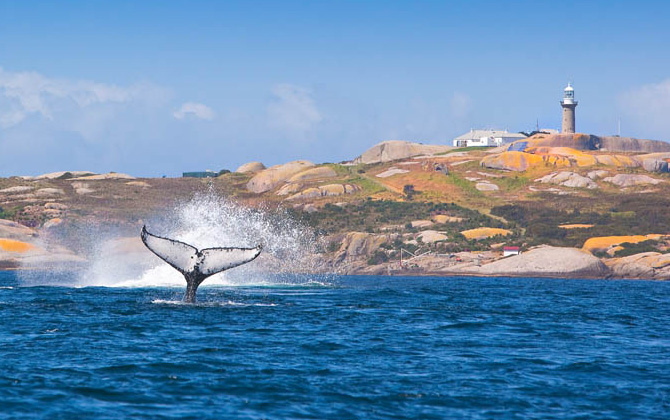
Narooma whale season peaks in September through to November, though sightings can begin as early as May and extend into November. Nestled along the stunning Eurobodalla Coast, Narooma is one of the top whale watching destinations in NSW. Its proximity to Montague Island—a sanctuary for seals and sea birds—creates a rich marine ecosystem where whales often pause to rest, feed, or engage in social and playful whale behaviour like breaching, spy hopping, and slapping their tail flukes.
Whale watching season Narooma is known for close encounters, thanks to the calm seas and deep offshore waters that make it easy to spot whales from both shore and boat. Many whale watching tours in Montague island offer a whale guarantee, promising another trip free of charge if you don’t see whales during your first whale watching cruise.
Which Whale Species Can You See in NSW?
During the whale season, the waters off NSW become a highway for a diverse array of whale species. The most commonly sighted are the majestic humpback whales, known for their acrobatic displays and massive whale numbers. Their energetic surface behaviours and curious nature make them a favourite among whale watchers.
Less frequent, but no less spectacular, are southern right whales, whose distinctive calloused heads and slow-moving grace make for breathtaking sightings near the coast. Blue whales, the largest animals on Earth, are rarely seen but occasionally pass through, adding to the excitement of any whale watching experience. You might also glimpse minke whales, including the dwarf minke whales that are more often spotted in the Great Barrier Reef, but sometimes venture south. Killer whales—or orcas—occasionally appear, typically in cooler months, while sperm whales and whale sharks are more elusive but not entirely absent from these Australian waters.
Why Narooma and Montague Island Are Must-Visit Destinations
While there are many great spots and things to do along the NSW coast, Narooma and nearby Montague Island stand out as key locations for experiencing the magic of whale season. This stretch of the Sapphire Coast offers excellent vantage points, minimal crowds, and vibrant marine life. From the land, you can head to popular lookouts like Bar Rock and Australia Rock, which are known for frequent whale sighting opportunities during peak months.
By sea, whale watching cruises departing from Narooma take you close to the action. As you navigate around Montague Island, you may see pods of whales glide through the surf or breach near colonies of playful fur seals. The presence of sea birds overhead, like gannets and shearwaters, often signals feeding whales below.
Where Else Can You Watch Whales in NSW?
Beyond Narooma, the South Coast of NSW boasts many other great vantage points. Jervis Bay, with its crystal-clear waters and protected marine environment, offers a serene backdrop for observing migrating whales, particularly humpbacks and southern right whales. Head to the cliffside walks in Booderee National Park for panoramic ocean views.
Further north, Byron Bay and Sydney Harbour also provide top-tier whale watching opportunities. Sydney whale watching cruises are popular during both the northern migration and southern migration, allowing city-goers to experience nature’s drama just minutes from the urban centre. From land, head to national park lookouts like Cape Solander in Kamay Botany Bay National Park, or North Head in Manly for one of the best whale viewing locations near the city.
What Makes Whale Watching in NSW So Special?
What sets the NSW whale season apart is the sheer accessibility and consistency of sightings. The east coast lies directly along the migratory path of migrating whales, meaning that you don’t have to travel far offshore—or even get on a boat—to enjoy an unforgettable whale watching experience. The coastline offers countless spots where you can simply pull over, scan the horizon, and witness these oceanic giants in their natural habitat.
The region’s rich biodiversity also plays a role. The presence of dolphins, seals, sea birds, and other whale species creates a complete picture of marine life, making each outing a multifaceted adventure. Additionally, local tour operators often include informative commentary about whale behaviour, conservation efforts, and Indigenous cultural connections to these majestic creatures.
Why Whale Watching Matters
Beyond the thrill of seeing a whale breach just metres away, whale watching contributes to conservation, education, and local economies. Observing these migratory giants helps scientists track whale numbers, monitor ocean health, and better understand how climate change affects marine ecosystems. Responsible whale watching also fosters a greater appreciation for the planet’s biodiversity and our shared responsibility to protect it.
So whether you’re on the shore, aboard a boat, or gazing from a great vantage point on the south coast, the whale season in NSW offers an incredible opportunity to connect with nature. From Narooma to Jervis Bay, from Montague Island to Sydney Harbour, there’s no better time—or place—to witness the wonder of the whale season.